Why Low Back Pain Often Improves When the Whole System Is Addressed
Low back pain is rarely about one weak muscle or one “bad” movement. More often, it reflects how well different parts of the body are working together to manage everyday demands.
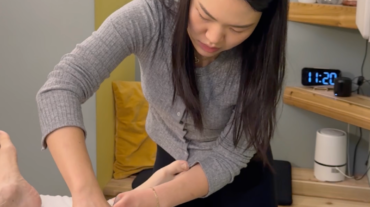
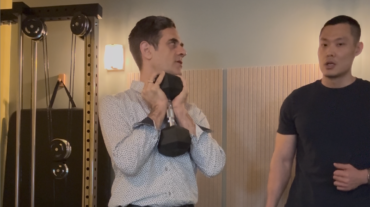
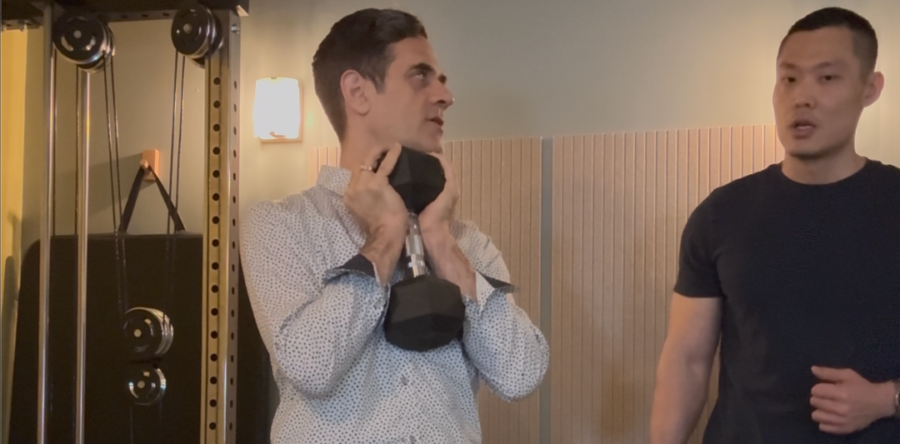
In a recent physiotherapy check-in at Yellow Gazebo with physiotherapist Pei Yang Liu, we looked at why a combination of simple exercises had started to make a meaningful difference in low back comfort. The goal wasn’t just pain relief. It was understanding why things were working, so the progress could last.
The Physiotherapy Approach
The approach focused on movement and strength as a package. Gentle lumbar mobility, side-bending for the quadratus lumborum (QL), and controlled rotational work helped restore confidence and motion through the spine. These pieces reduced stiffness and improved coordination, but they weren’t the whole story.
What stood out was the importance of the posterior chain - particularly the glutes and hamstrings. Even when someone is already doing squats and lunges, those muscles may not yet have enough capacity to support the spine when it matters most.
Everyday life doesn’t load the body in neat, predictable ways. Lifting something unexpectedly heavy, reaching awkwardly, or reacting quickly to a slip all place higher demands on the system. In those moments, muscles don’t just need to be “strong enough.” They need a margin of strength beyond what feels sufficient in controlled exercise.
This is where targeted lower-body work becomes essential. Exercises like glute bridges, goblet squats, and split squats help build that extra capacity. When the hips and legs can take more of the load, the low back is less likely to become the weak link.
Tailoring Exercises to Real Life
A key part of physiotherapy is tailoring exercises to real life. The best program isn’t the most complex one - it’s the one that fits the equipment, time, and movement patterns a person actually has access to. With simple tools like resistance bands or a single kettlebell, meaningful progress is still possible when exercises are chosen thoughtfully.
Low back care works best when it’s not about chasing symptoms, but about building a system that can tolerate everyday demands with confidence. When movement, strength, and capacity are addressed together, the back often settles not because it’s being protected - but because it no longer has to overwork.
If you’re curious about how physiotherapy might help you better understand your own movement patterns or build resilience in your body, a one-on-one assessment can be a valuable first step.
If you’d like some more information on how we can help you with physiotherapy care, would like to book a free consultation, or would like to go ahead and schedule an appointment at Yellow Gazebo, please give us a call at 416-909-2334, email us at info@yellowgazeboclinic.com, or use the online booking link below. We’ll be happy to help you get on your way to optimum health.