Are You Breathing as Well as You Think You Are?
Breathing is something we do every moment of every day, yet most of us rarely think about how we're doing it.
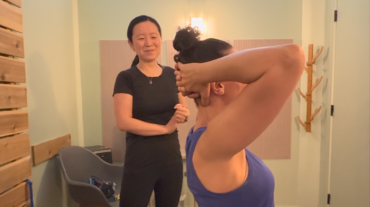
Recently, Dr. Sarah, one of our chiropractors, shared a video demonstrating diaphragmatic breathing with one of her patients. It's a simple exercise, but one that can have a meaningful impact on the way your body moves and feels.
Many people develop a habit of breathing mostly through their chest. This often happens during periods of stress, after an injury, or simply from spending long hours sitting at a desk. Instead of the diaphragm doing most of the work, the muscles in the neck, shoulders, and upper chest begin to take over.
Over time, this can contribute to unnecessary tension and make efficient movement more difficult.
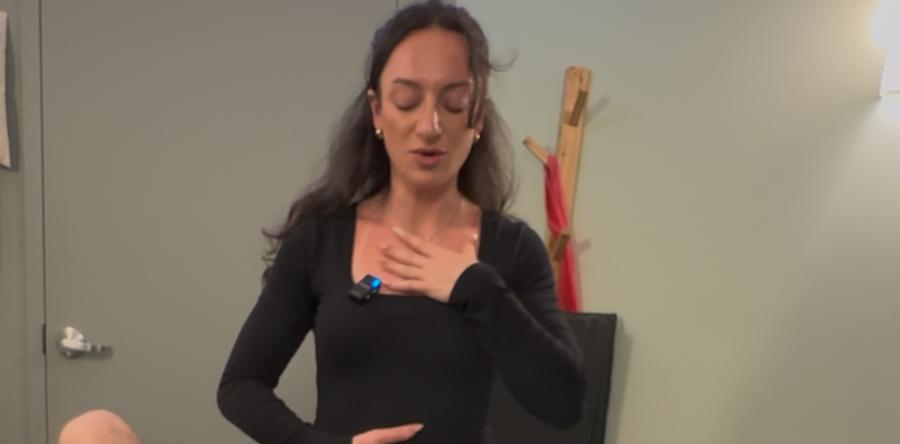
One of the simplest ways to begin retraining your breathing is to place one hand on your chest and the other on your belly. As you inhale, try to let the hand on your belly rise while keeping the hand on your chest relatively still. You don't need to force a deep breath. The goal is simply to encourage your diaphragm, the large breathing muscle beneath your lungs, to do more of the work.
As Dr. Sarah explained in the video, once this becomes comfortable, the next step is learning to maintain that breathing pattern while gently engaging your core muscles. This helps your body create stability without relying on excessive muscle tension.
The interesting thing is that better breathing doesn't just affect your lungs. It can influence posture, movement, balance, core stability, and even how tense or relaxed you feel throughout the day. It's a small skill that can have wide-reaching effects.
Diaphragmatic breathing isn't a cure-all, and it won't be the answer for every person or every condition. But it's one of those foundational habits that often supports many other aspects of health. Sometimes improving the basics is where meaningful progress begins.
If you haven't seen Dr. Sarah's recent video yet, it's worth a watch. And if you've never practiced diaphragmatic breathing before, try it for just a minute or two today. You may be surprised by how different it feels.
If you're dealing with ongoing pain, stiffness, or difficulty moving, our team can help determine whether your breathing pattern is contributing to the problem and guide you through exercises that are appropriate for you.
If you’d like some more information on how we can help you with your wellness, would like to book a free consultation, or would like to go ahead and schedule an appointment at Yellow Gazebo, please give us a call at 416-909-2334, email us at info@yellowgazeboclinic.com, or use the online booking link below. We’ll be happy to help you get on your way to optimum health.