Could Childhood Head Injuries Still Affect Me Today? Exploring Concussion Symptoms
When I was a kid, I suffered a head injury that landed me in the hospital overnight. At the time, nobody could say for certain whether I'd suffered a concussion. It was a different era, and our understanding of head injuries wasn't nearly what it is today.
Over the years, I experienced other injuries too, including some during sports and martial arts. But I never really stopped to consider whether any of those experiences might still be affecting me decades later.
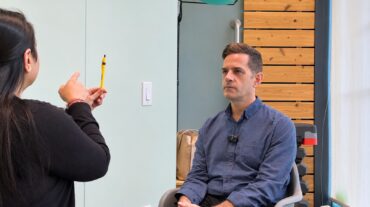
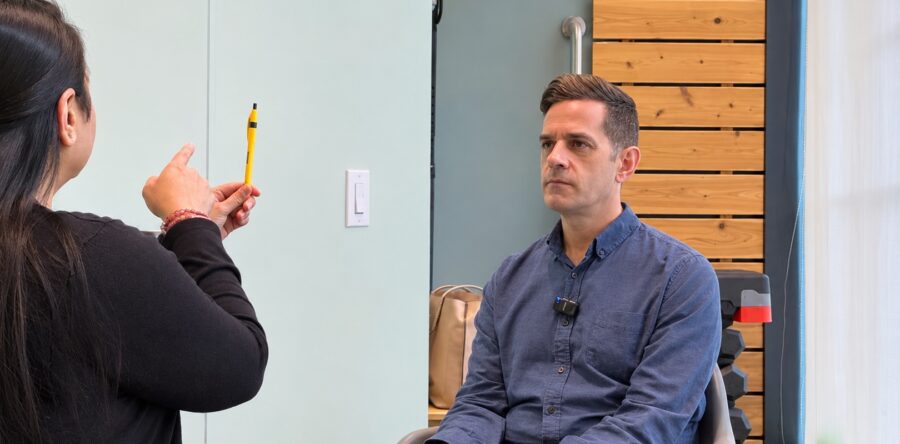
That changed when I sat down with Jigna, one of our Registered Physiotherapists at Yellow Gazebo Wellness, who has additional training in concussion management.
Recognizing the Symptoms of a Concussion
Our conversation began simply enough. I asked Jigna what kinds of symptoms might bring someone to see a physiotherapist following a concussion.
She explained that some of the most common symptoms include:
- Headaches
- Brain fog and difficulty concentrating
- Fatigue and unusual tiredness
- Dizziness and balance difficulties
- Neck pain and stiffness
- Difficulty with neck movements
Not everyone experiences the same symptoms, and their severity can vary considerably.
What struck me was how many of these symptoms sounded familiar.
I'd always associated concussions with the immediate aftermath of a head injury. I hadn't given much thought to how symptoms might persist or how other issues, including neck and vestibular problems, might contribute to someone's difficulties.
Can a Childhood Concussion Affect You Decades Later?
It's an interesting question, and one we're exploring through this video series.
Most people recover from concussions within weeks, although some experience symptoms that persist much longer. That doesn't necessarily mean the brain hasn't healed, and symptoms experienced decades later aren't automatically attributable to an old injury.
But understanding someone's injury history can be an important part of determining what's contributing to their current symptoms.
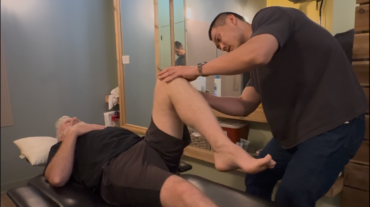
Physiotherapists with concussion management training can assess areas such as balance, eye movements, neck function and exercise tolerance. Depending on the findings, treatment may include vestibular rehabilitation, targeted exercises, manual therapy and gradually increasing physical activity.
An Unexpectedly Personal Conversation
I originally intended this to be an educational video about concussion symptoms and physiotherapy.
Instead, it became the beginning of a more personal exploration of my own health.
In the accompanying video, Jigna and I discuss my childhood injuries, the symptoms commonly associated with concussions, and why understanding the whole picture matters.
In upcoming videos, I'll share more of my assessment with Jigna, what we discovered, and what the next steps might look like.
Sometimes, asking questions for the benefit of others leads you to ask a few important questions about yourself.
If you’d like some more information on how we can help you with your wellness, would like to book a free consultation, or would like to go ahead and schedule an appointment at Yellow Gazebo, please give us a call at 416-909-2334, email us at info@yellowgazeboclinic.com, or use the online booking link below. We’ll be happy to help you get on your way to optimum health.